The blog
Reading science, classroom practice and what we are learning from the districts using Amira.
-

Behind Every Data Point Is a Child
-

Instructional Strategies
How Amira Supports Classroom Routines (and Empowers Teachers and Students)
-
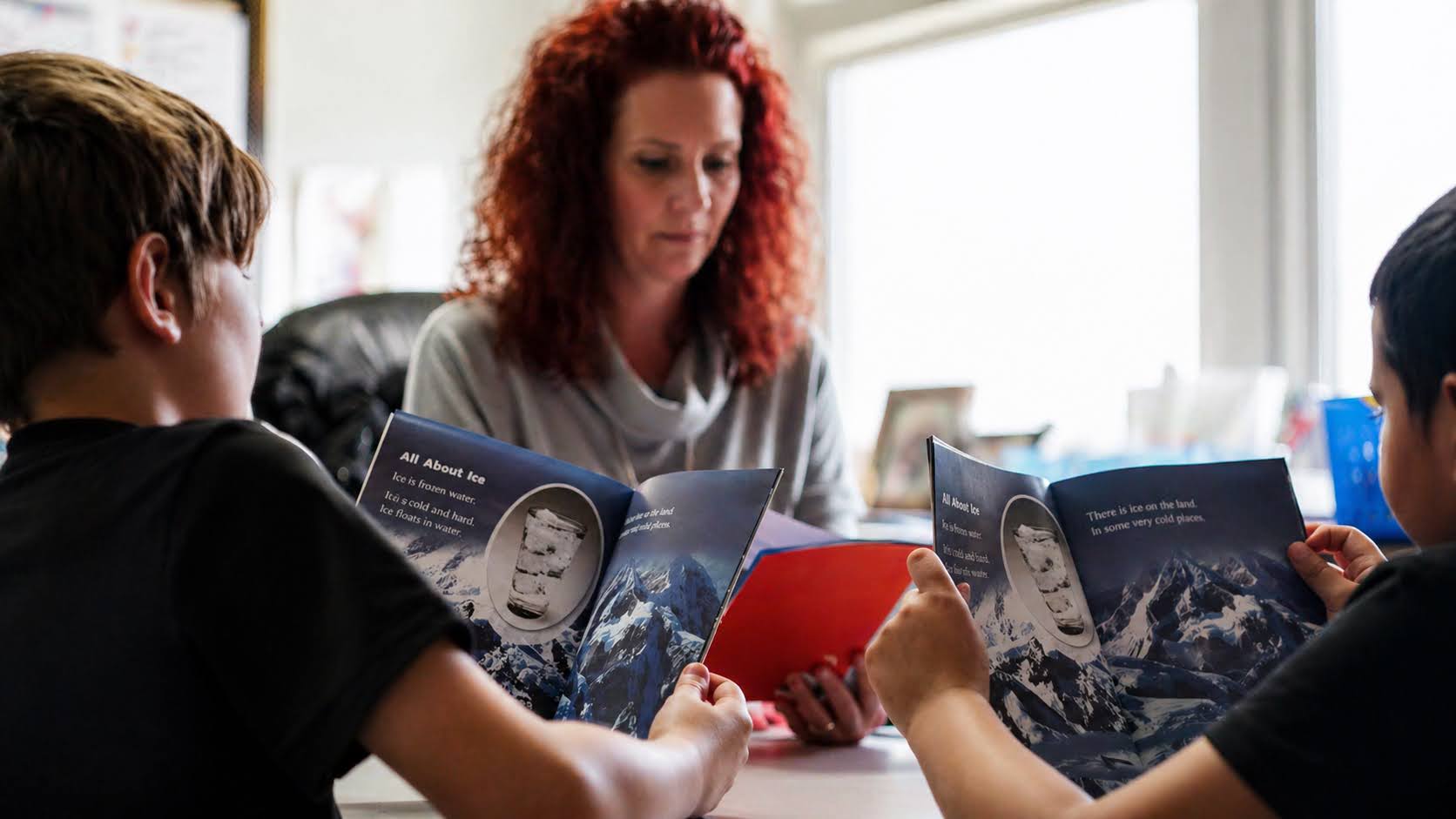
Instructional Strategies
The Reading Brain Loves Routines
-
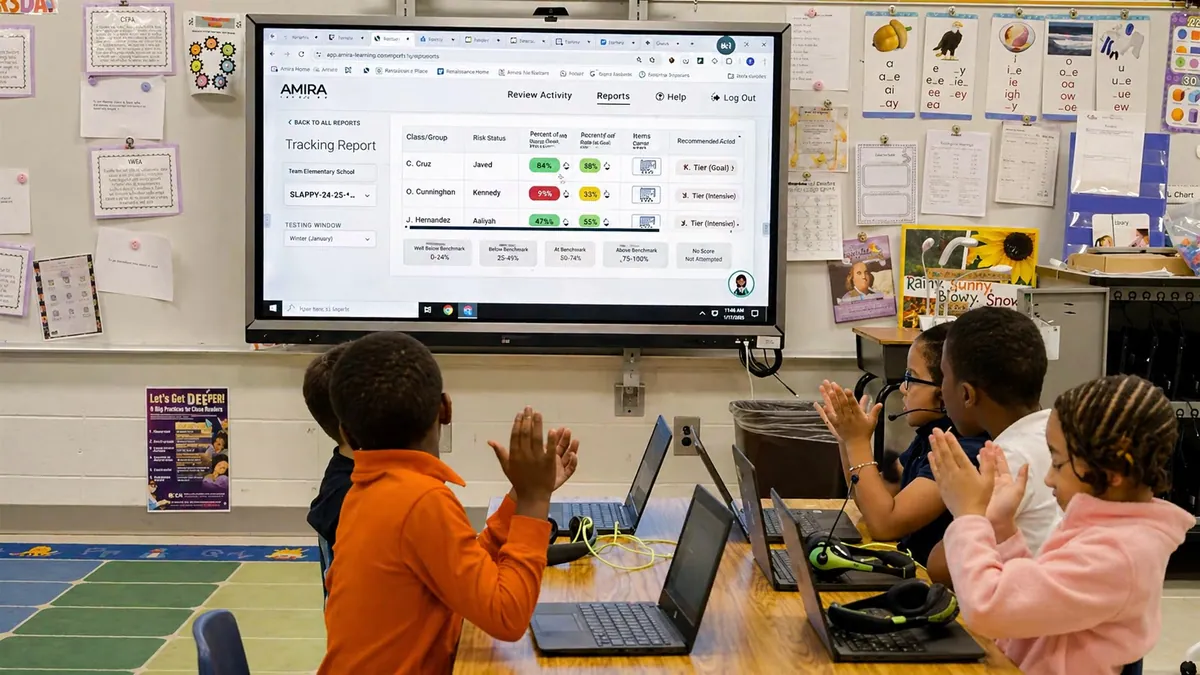
Assessments
What the First Assessment Really Tells Us
-
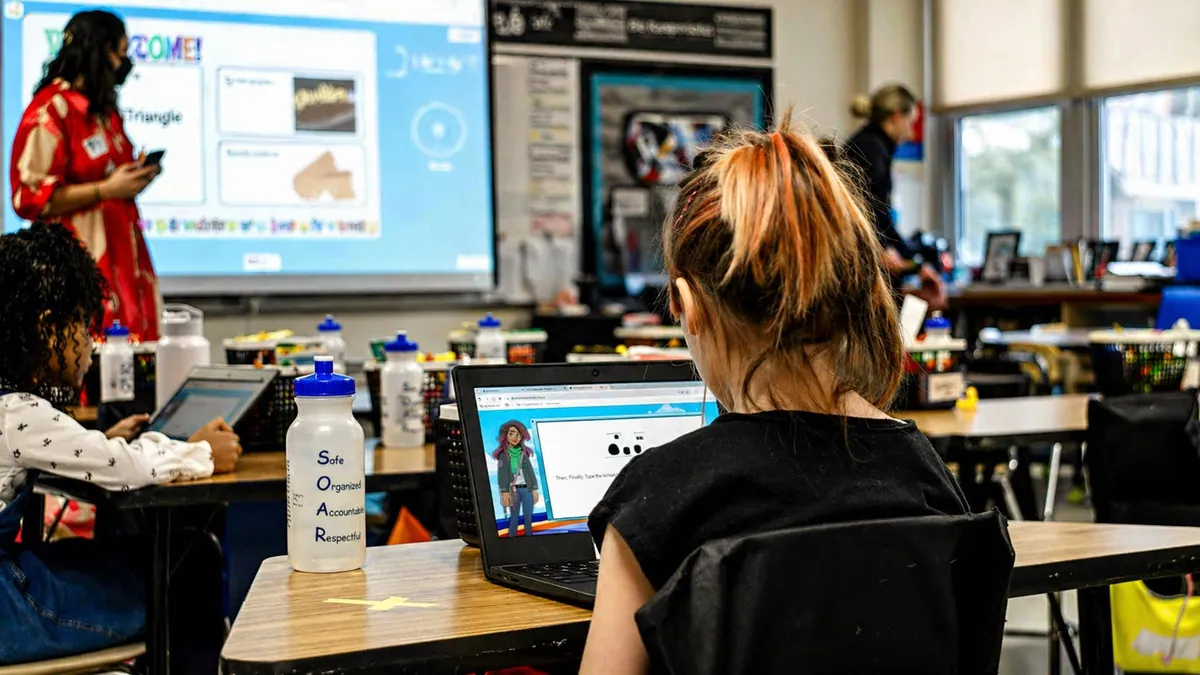
Ethical AI & Data Use
Welcome Back: Celebrating the Magic of a New School Year and How We Protect It
-
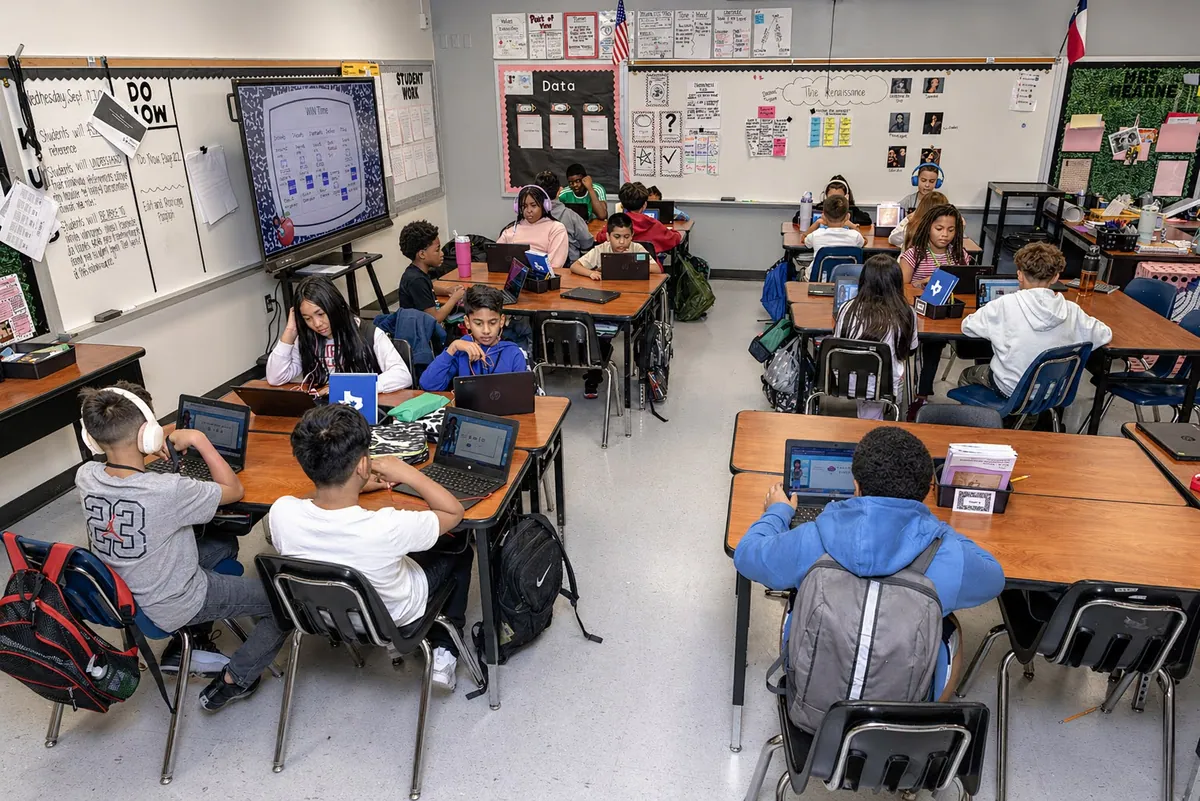
AI in Education
What Schools and Families Should Know About Amira, Privacy, and Student Data
-
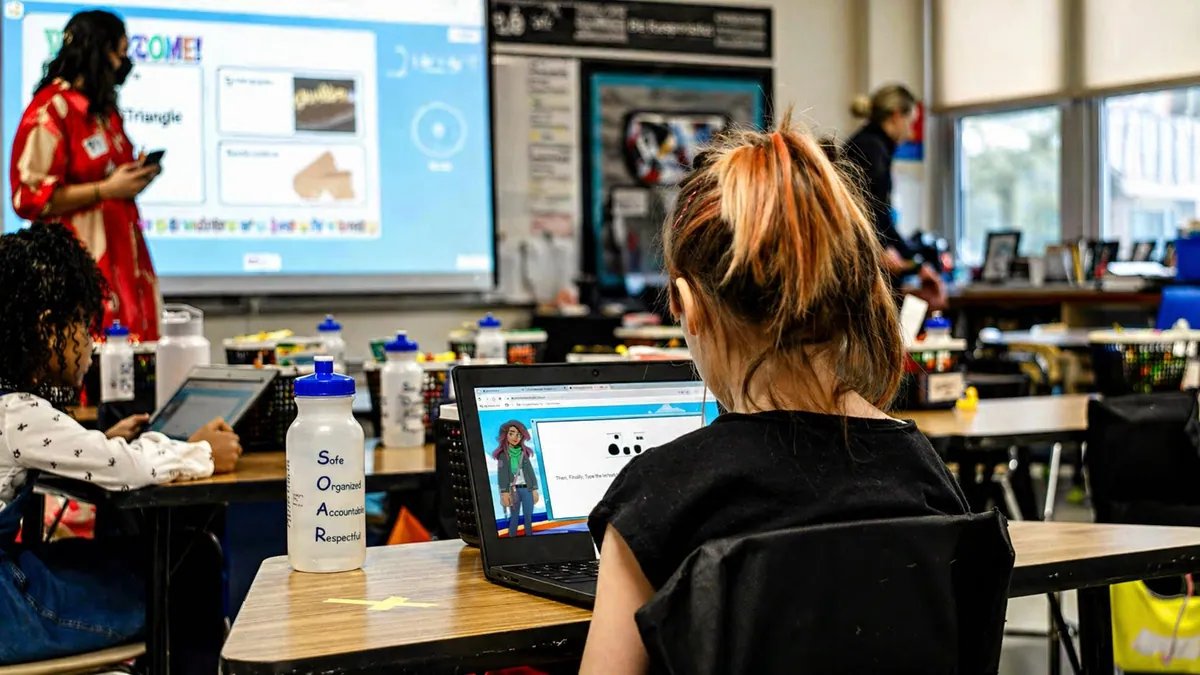
Agentic Learning
Not All AI Is the Same: A Guide to What’s Actually in Your Child’s Classroom
-

Agentic Learning
Before Your District Adopts Another AI Tool, Read This
-

What Parents Are Really Wondering When They Ask About AI in Schools
-
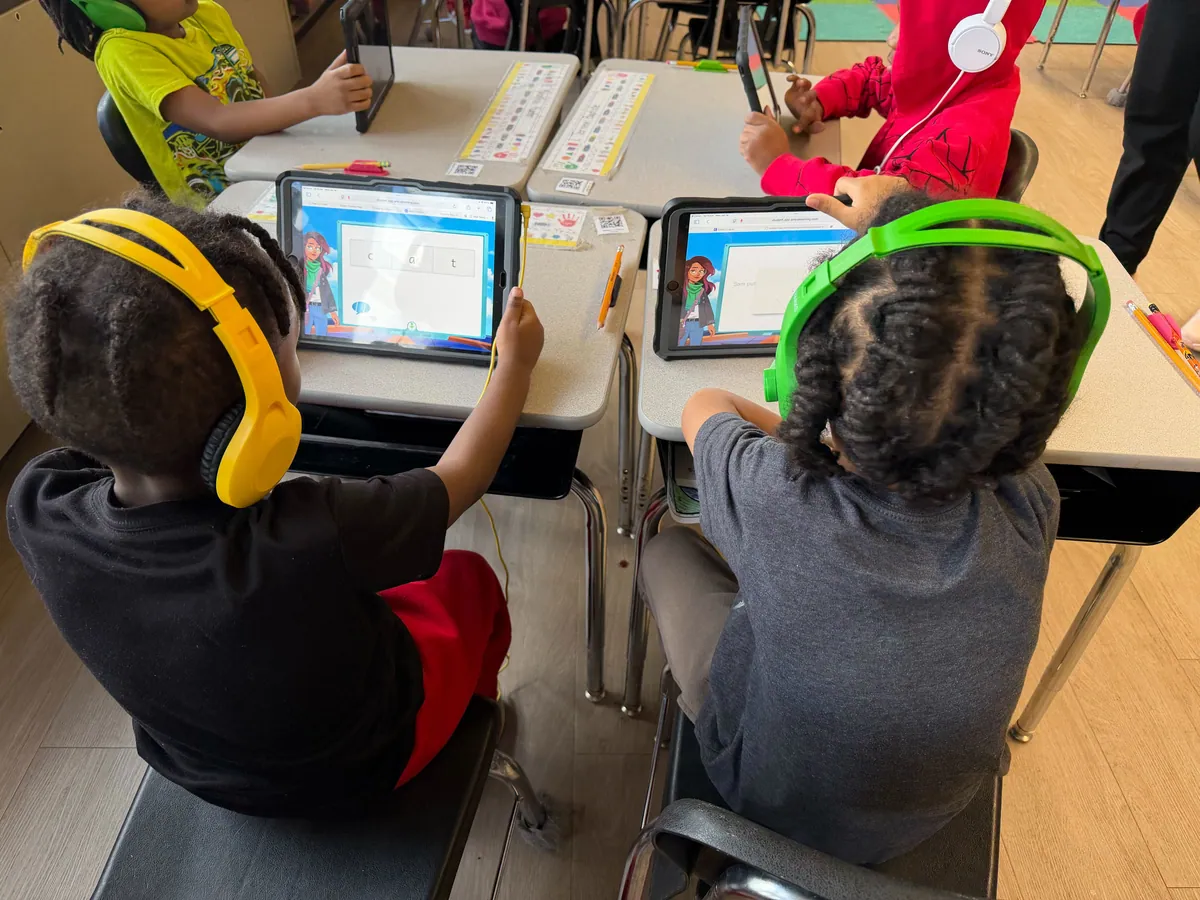
Assessments
What One Second-Grade Classroom in Louisiana Can Teach District Leaders About Early Reading Intervention
-
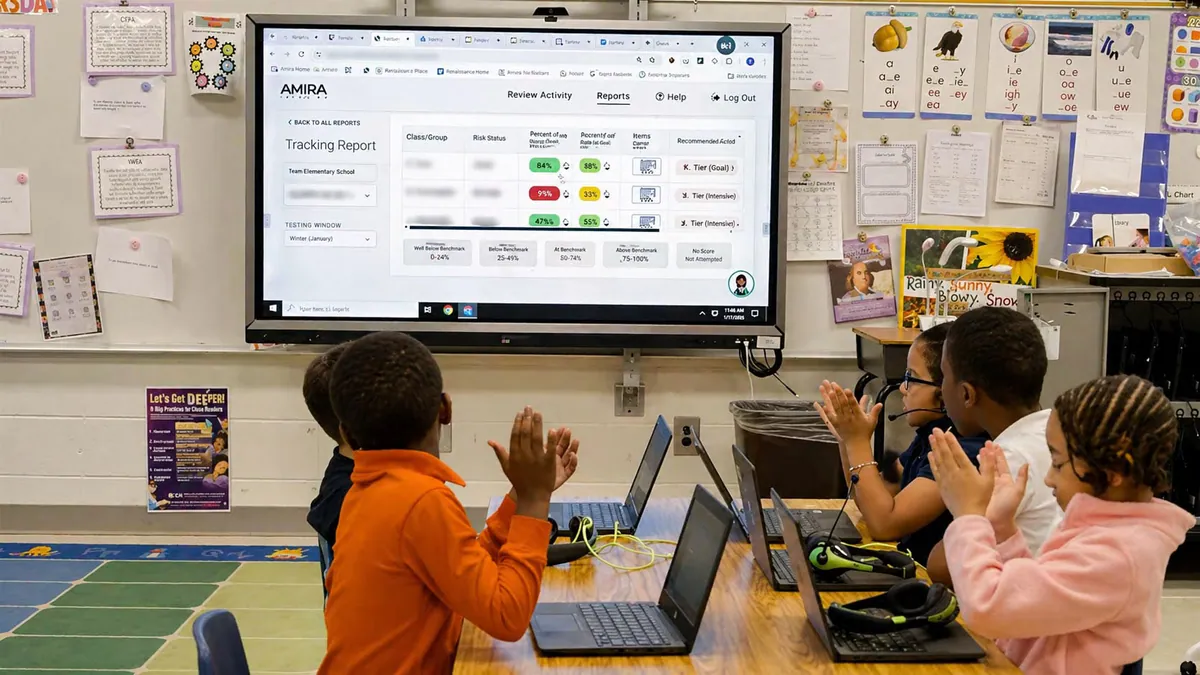
AI in Education
What Agentic Learning Actually Looks Like in Schools — And How One Superintendent Is Making It Real
-
AI in Education
AI, Literacy, and the Evidence Gap: Key Takeaways From Boston University on Amira Learning
-

Biliteracy
The Neuroscience of Biliteracy: Why AI Has to Be Built with Intention
-
AI in Education
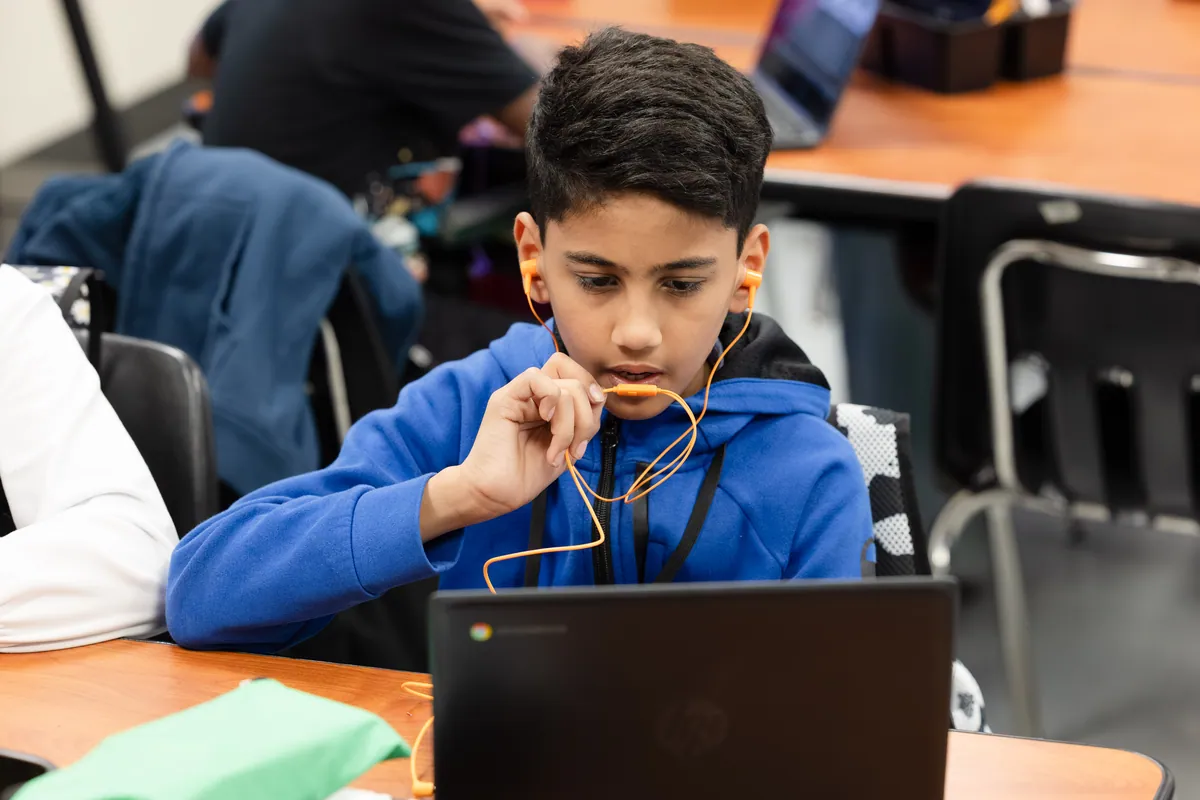
Beyond Translation: How Districts Are Scaling Spanish + English Growth with AI
-

AI in Education
From Resistance to Engagement: Building Teacher Buy-In for New Literacy Tools
-
AI in Education
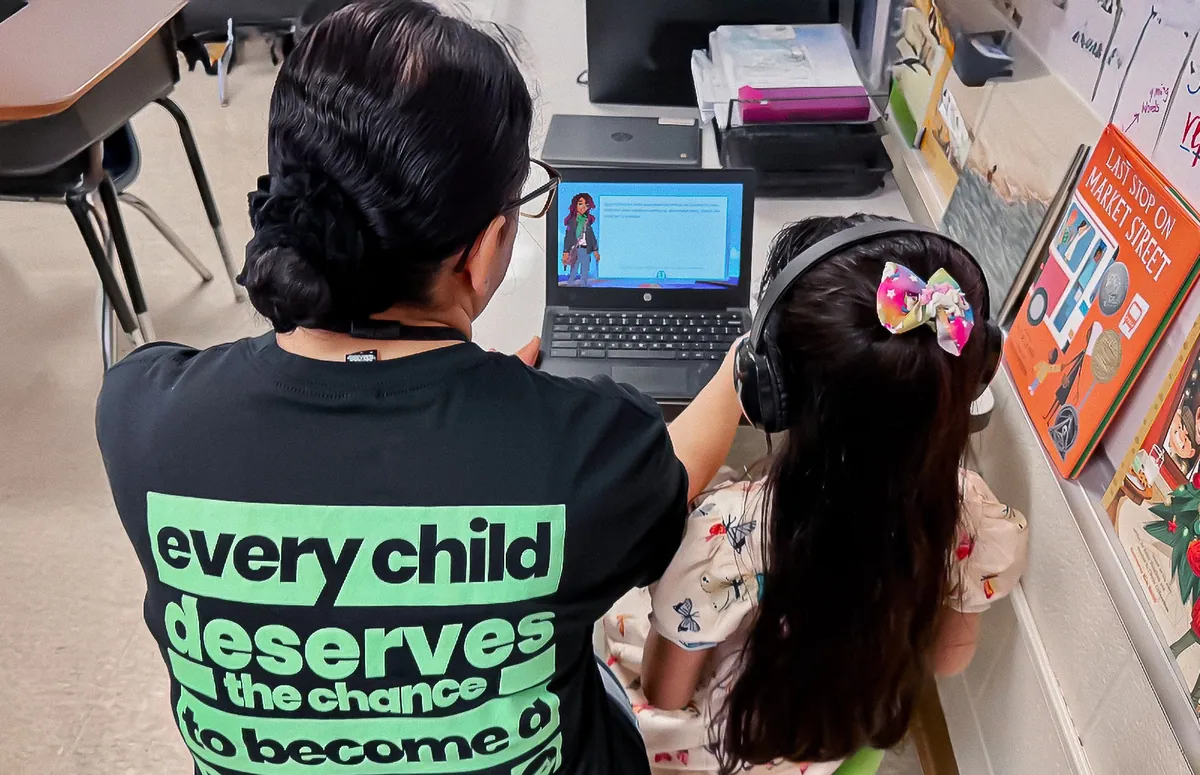
Choosing the Right Literacy Tools: A Guide for District Leaders
-
AI in Education
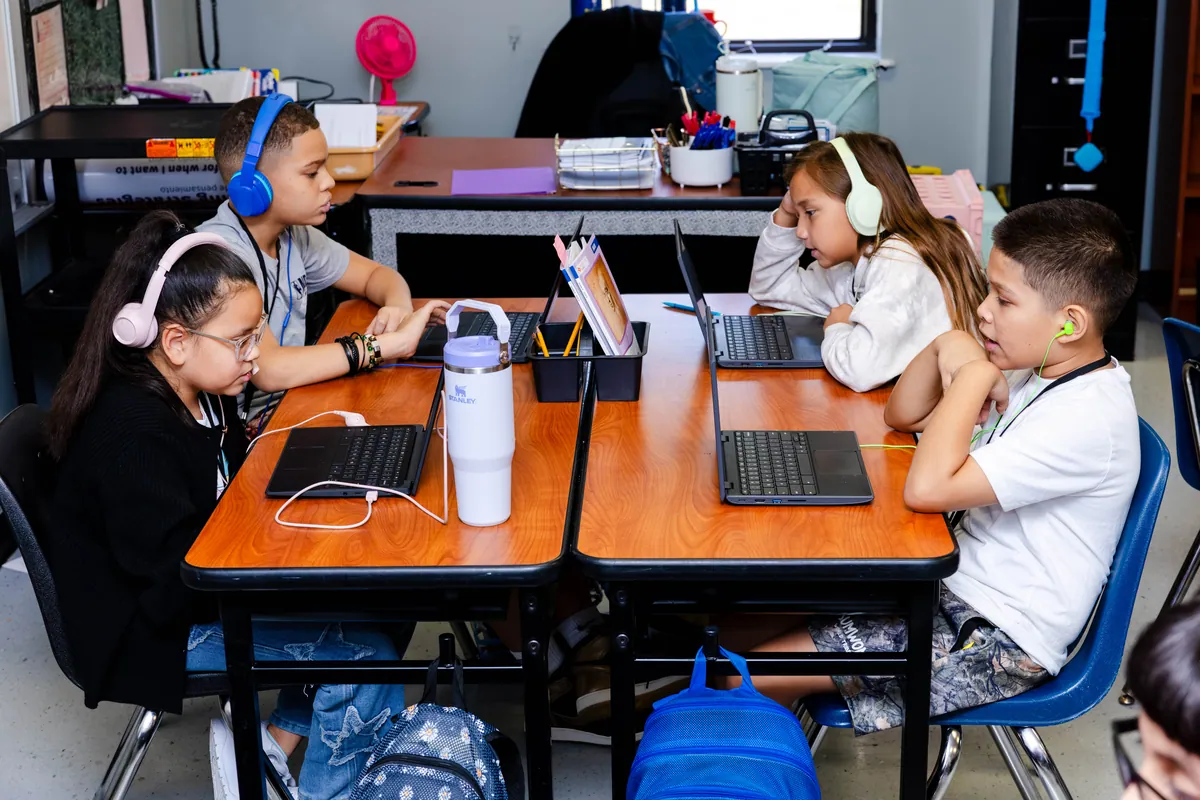
One Platform, Endless Wins: Rethinking Literacy Ecosystems in K–8
-
Dyslexia & Reading Risk
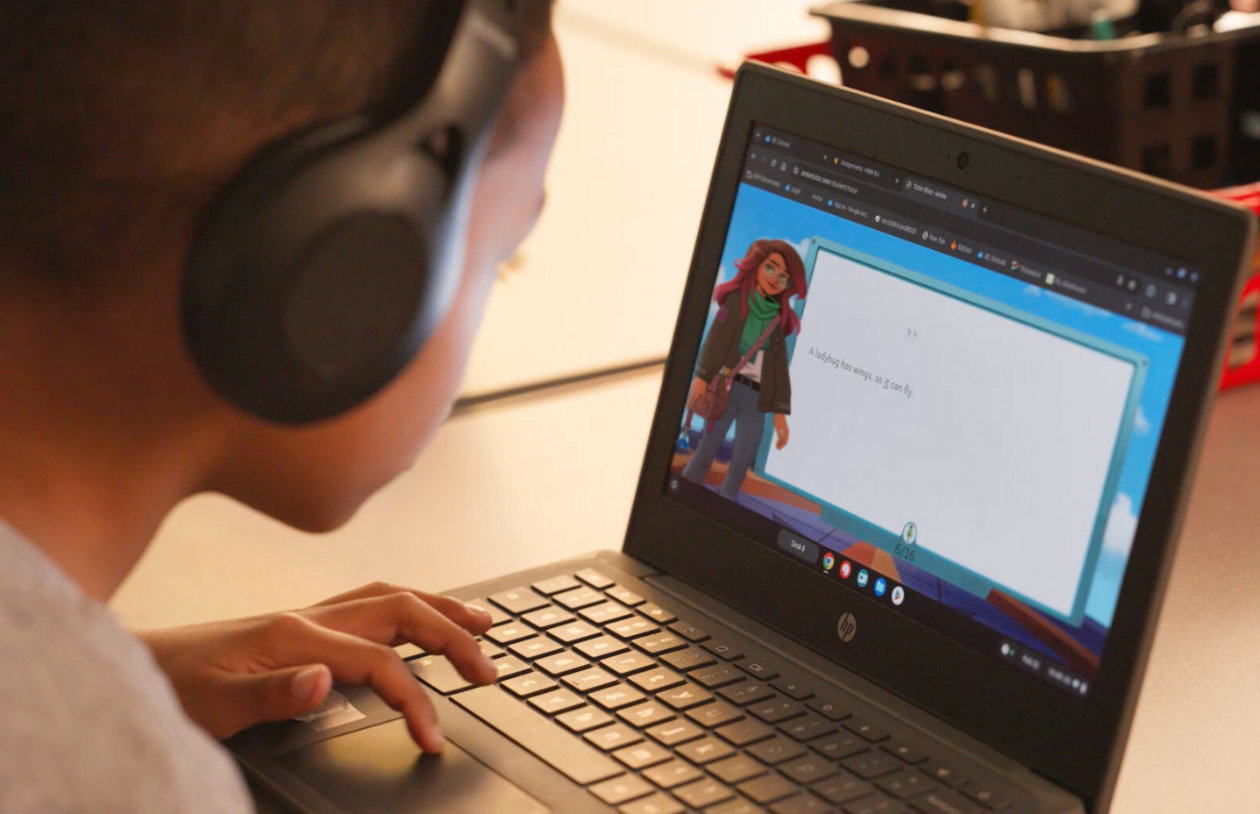
How Amira Transforms Dyslexia Screening into Intervention
-
Dyslexia & Reading Risk
The Active View of Reading: Moving Beyond the Simple View
-

Dyslexia & Reading Risk
The Multiple Deficit Model: Understanding Dyslexia as More Than Phonology
-
Dyslexia & Reading Risk
Why IDA Guidelines Matter for Early Dyslexia Screening
-
Science of Reading
Applying the Science of Reading with AI: How Amira Delivers Research-Based Reading Growth District-Wide
-
News and Events
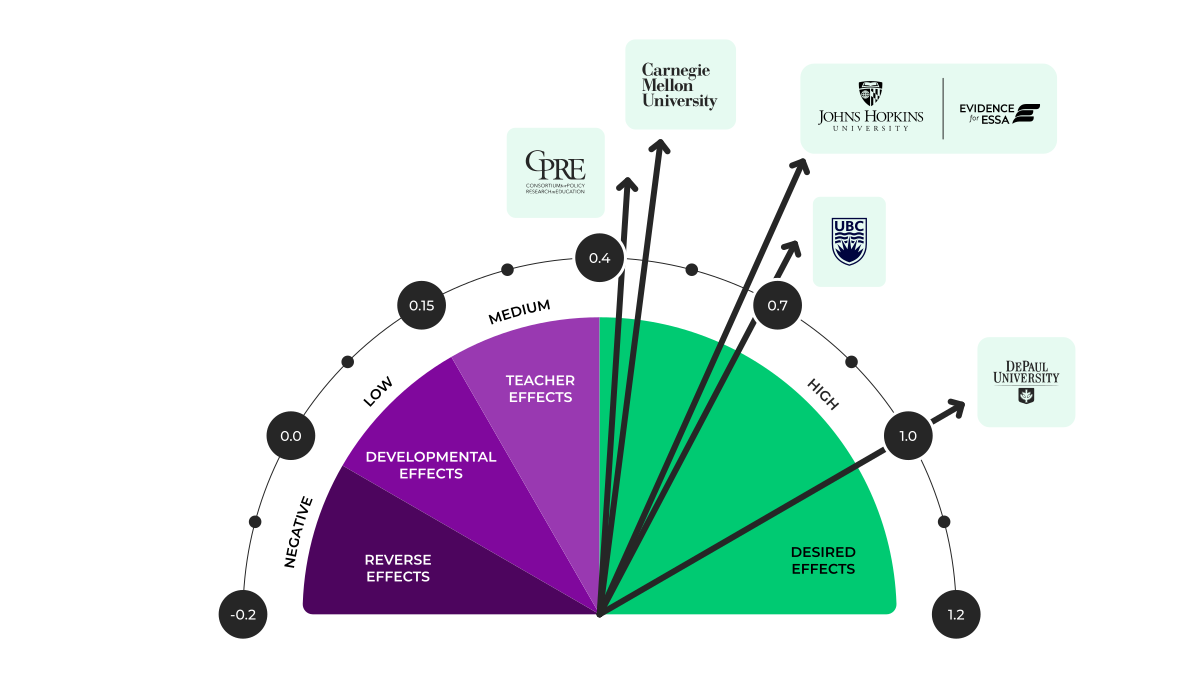
BLOG | How to Select Validated Edtech Solutions Using Hattie’s Zone of Desired Effects
-

Istation Reading
5 Steps to Successfully Implement the Science of Reading in Your District
-

Data
3 Keys to Creating a Data-Driven Culture in Your District
-

Intervention
5 Ways to Utilize Assessment Data in the Classroom
-

Adaptive Instruction
5 Ways to Ensure Every School Has a Cohesive Literacy Instruction Program
-

A Comprehensive Framework for Driving Student Growth
-

An Educator's Checklist for Choosing Supplemental Curriculum
-

Educator Tips
3 Steps for Building Strong Teacher Communities on Your Campus
-

Celebrating 25 Years of Education Excellence
-

Celebrating Student Partnerships with Innovative Learning
-

Accelerated Learning
3 Strategic Actions to Learning Recovery
-

English Learners
Essential Tips for Leveraging EdTech to Boost English Learner Achievement
-

Leading the Way: How Top Principals Drive Student Success
-

Summer
Benefits of Online Summer Learning Programs
-

English Learners
Helping English Learners Stay Engaged with School
-

Dual Language
Checklist: 7 Dual Language Program Essentials
-

Dual Language
Strategies for Building Spanish and English Literacy Proficiency
-

Dual Language
The 3 Pillars of Second-Language Education
-

Elevate Teacher Expertise to Get Better Student Outcomes
-

Intervention
Understanding Dyslexia in the Elementary Classroom
-

Assessments
5 Myths and Misconceptions About Dyslexia
-

Assessments
4 Ways To Support Elementary Students with Dyslexia
-
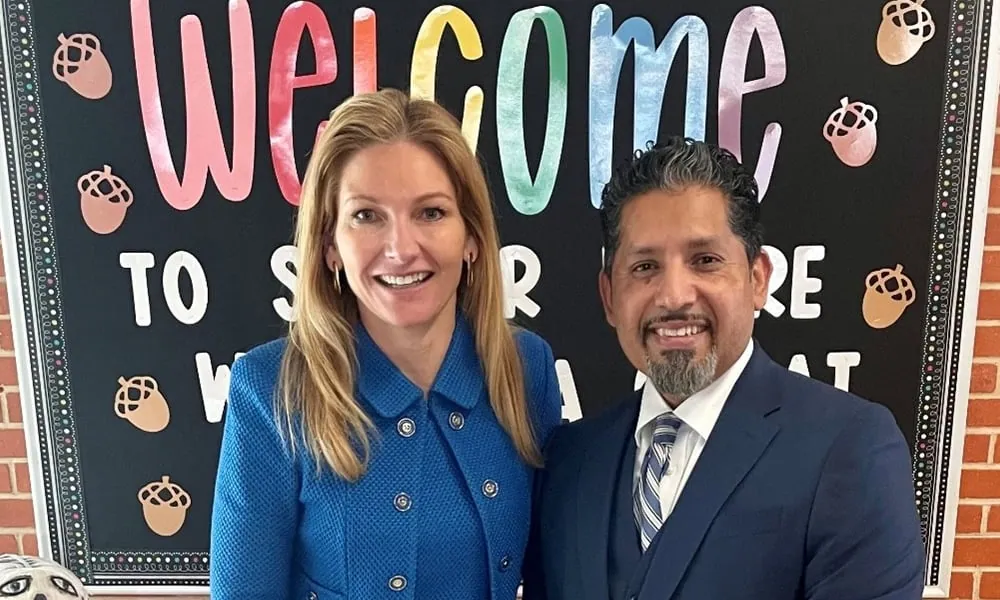
I Was Principal for a Day and Glimpsed the Future of Education
-

Istation Reading
3 Steps to Address Unfinished Learning in Middle School
-

Istation Reading
Engage Middle School Readers with Technology
-
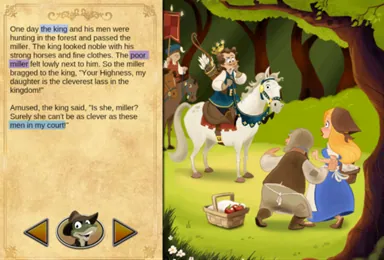
Assessments
8 Types of Technology-Enhanced Items That Engage Learners
-
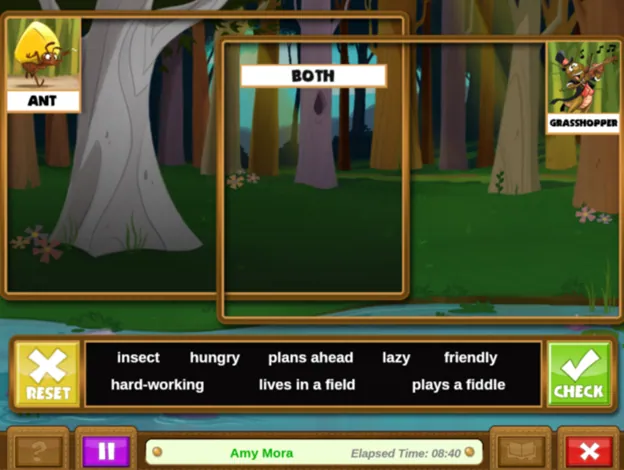
EdTech
Cultivate Digital Literacy Skills with Technology-Enhanced Items
-
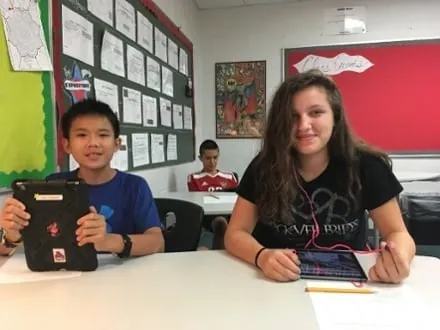
Middle School
4 Tips for Keeping Middle School Learners Engaged
-
Middle School
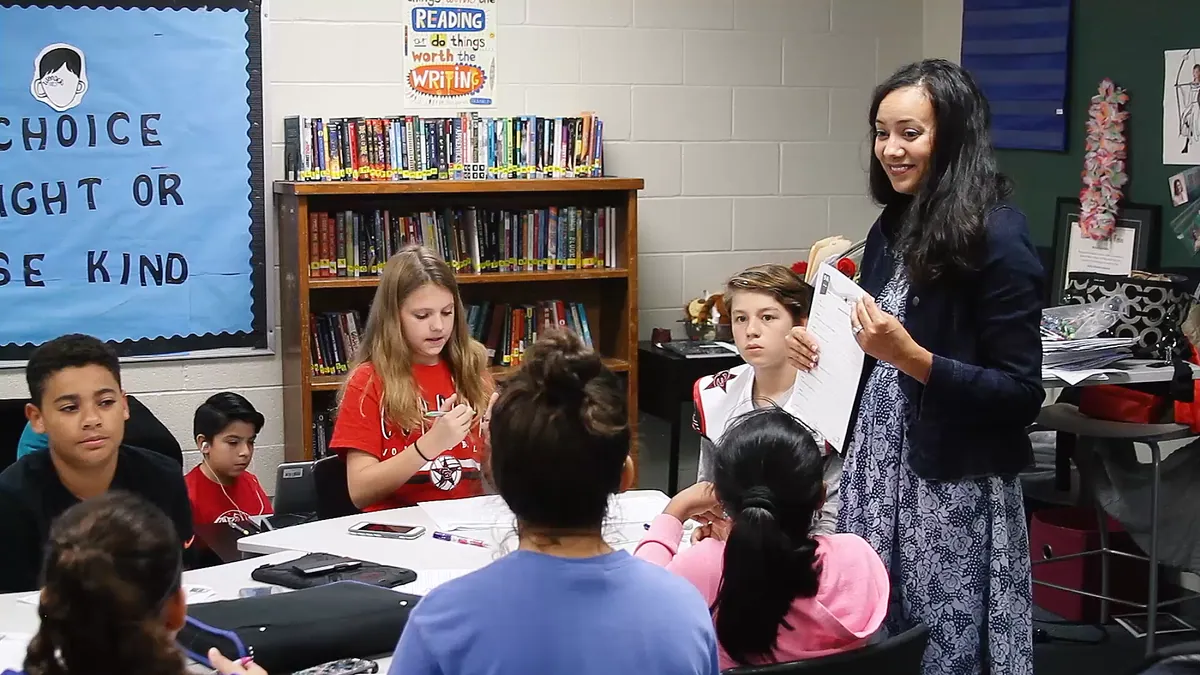
4 Steps to Create Authentic Learning Experiences for Middle School Learners
-
Early Childhood
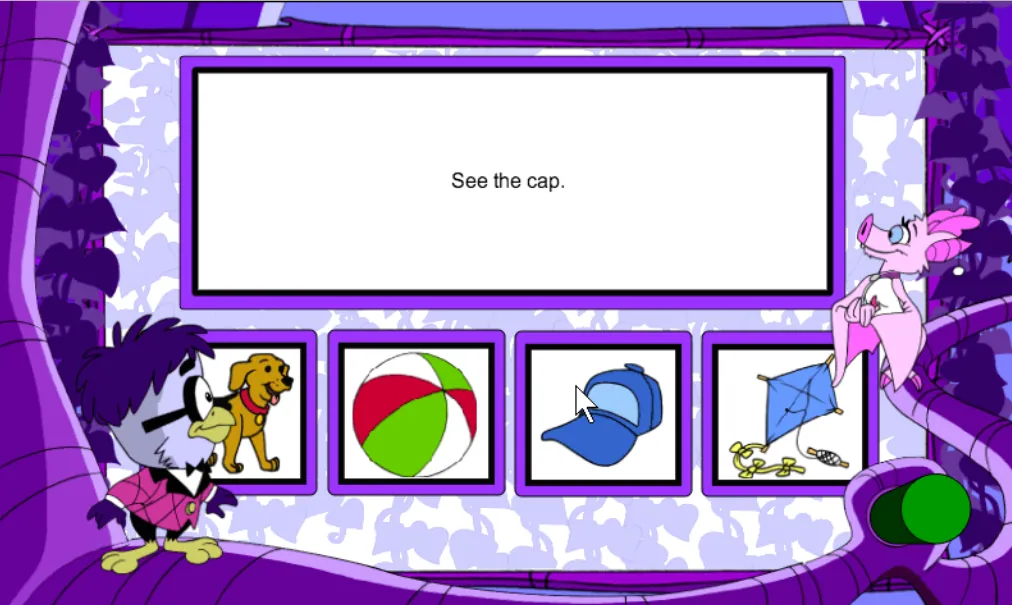
4 Steps to Put the Science of Reading into Practice
-
Early Childhood
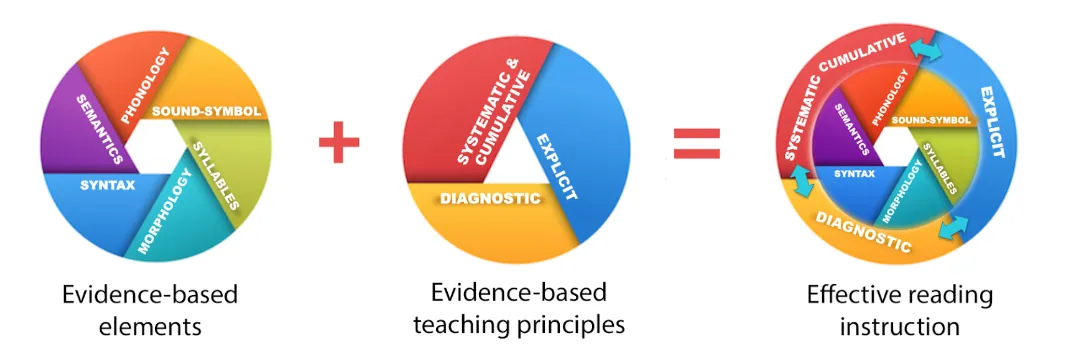
How to Use Evidence-Based Principles for Effective Reading Instruction
-
Early Childhood
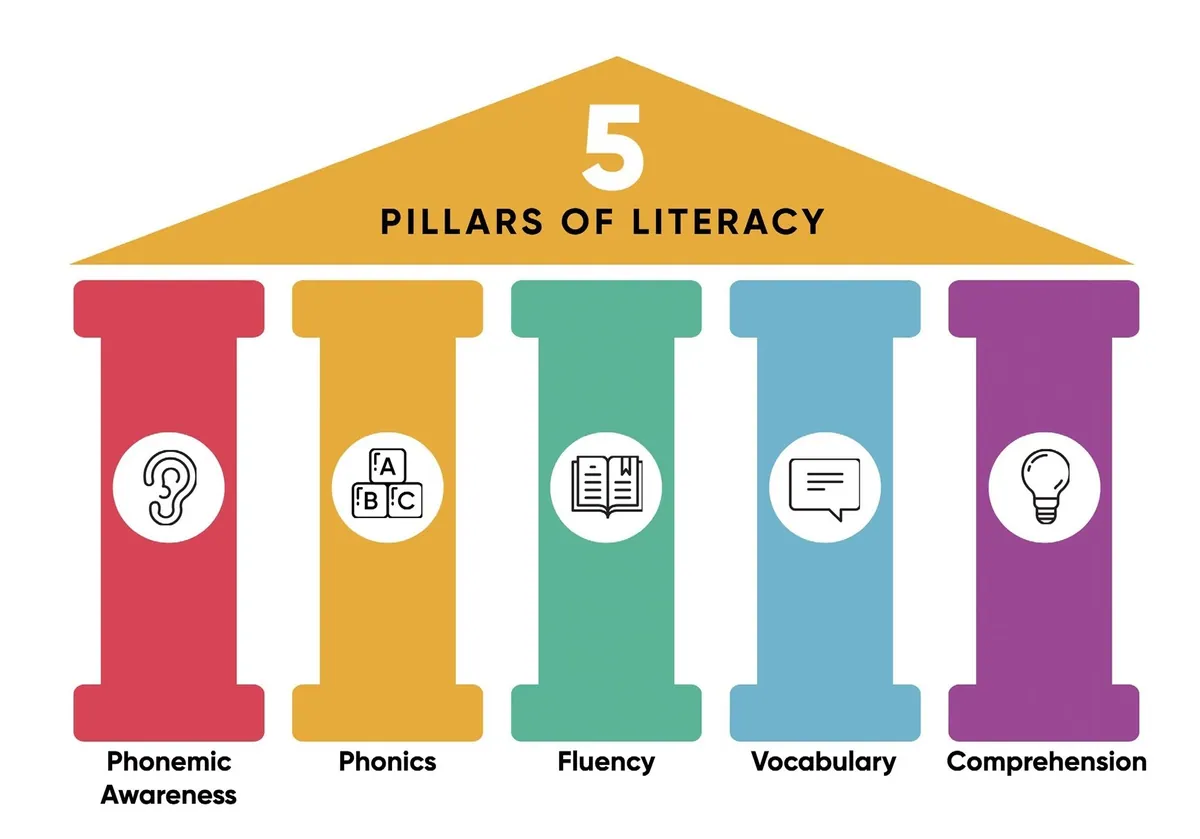
3 Things to Know About the Science of Reading
-

EdTech
4 Ways to Help Teachers Adapt to Technology
-

At Home
6 Features to Look for in a Flexible EdTech Tool
-

English Learners
Language Development for English Learners and the Edtech Advantage
-

English Learners
Develop Bilingual Learners’ Home-Language Literacy Skills
-

Accelerated Learning
4 Considerations for Designing an Effective High-Dosage Tutoring Program
-

How High-Dosage Tutoring Programs Support Teachers and Foster Student Success
-

Accelerated Learning
How Edtech Supports Accelerated-Learning Strategies
-

EdTech
How to Use Tech Tools to Their Full Potential
-
Social Emotional Learning
5 Ways to Support Social and Emotional Learning During Reading Instruction
-

Strategies for Supporting Teacher Well-Being
-

Educator Tips
4 Steps to Implementing Continuous Teacher Improvement
-

EdTech
How to Choose Technology That Is Accessible for All
-

4 Tips to Make the Most of Technology to Increase Student Agency
-

Educator Tips
3 Steps for Sustainable Virtual Professional Development
-
Educator Tips
4 Blended Learning Strategies to Build Readers by 3rd Grade
-

Educator Tips
5 Steps to a Smart Pilot
-

Istation Training Topics
5 Factors for Choosing Customized Professional Development
-
Early Childhood
The Benefits of Assessing Early Readers with the Big Five
-

Adaptive Instruction
How to Create an Instructional Plan that Maximizes Technology
-

Adaptive Instruction
The Benefits of Providing Adaptive Technology for Pre-K Learners
-

Virtual Learning
8 Benefits of Utilizing Virtual Learning Platforms
-

Educator Tips
3 Ways to Utilize ESSER Funding to Mitigate Learning Loss
-
EdTech
4 Ways to Successfully Integrate Technology for Extended Learning
-

At Home
Keep Students Engaged Through the Summer: 5 Steps for Parents
-
Assessments
How Digital Progress Monitoring Can Simplify Your Assessment Process
-
Dual Language
3 Key Benefits of Student Biliteracy
-

Educator Tips
3 Steps to Implement Teacher Morale Boosters
-

Product Updates
1st Grade Auto-Scoring Is Now Available for ISIP™ ORF
-
At Home
Virtual Learning Tips for Partnering with Parents
-
Blended Learning
Three Takeaways for Blended Learning Buy-In
-
Success Stories
How Strong Leadership and Focus on Data Led to District-Wide Literacy Gains
-
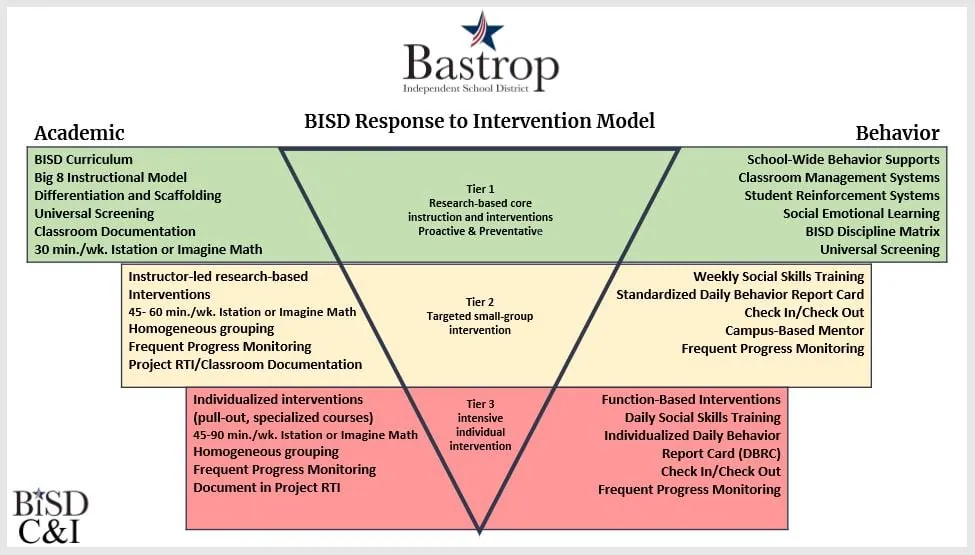
Istation Training Topics
Build a PD Plan That Meets Teachers Where They Are
-
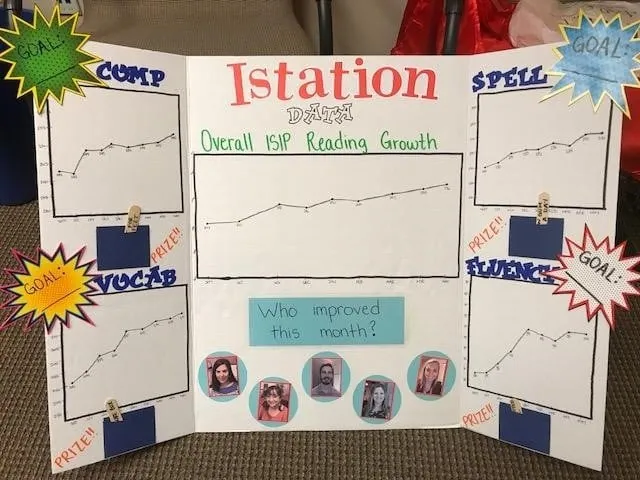
Educator Tips
Create a Classroom Data Board
-
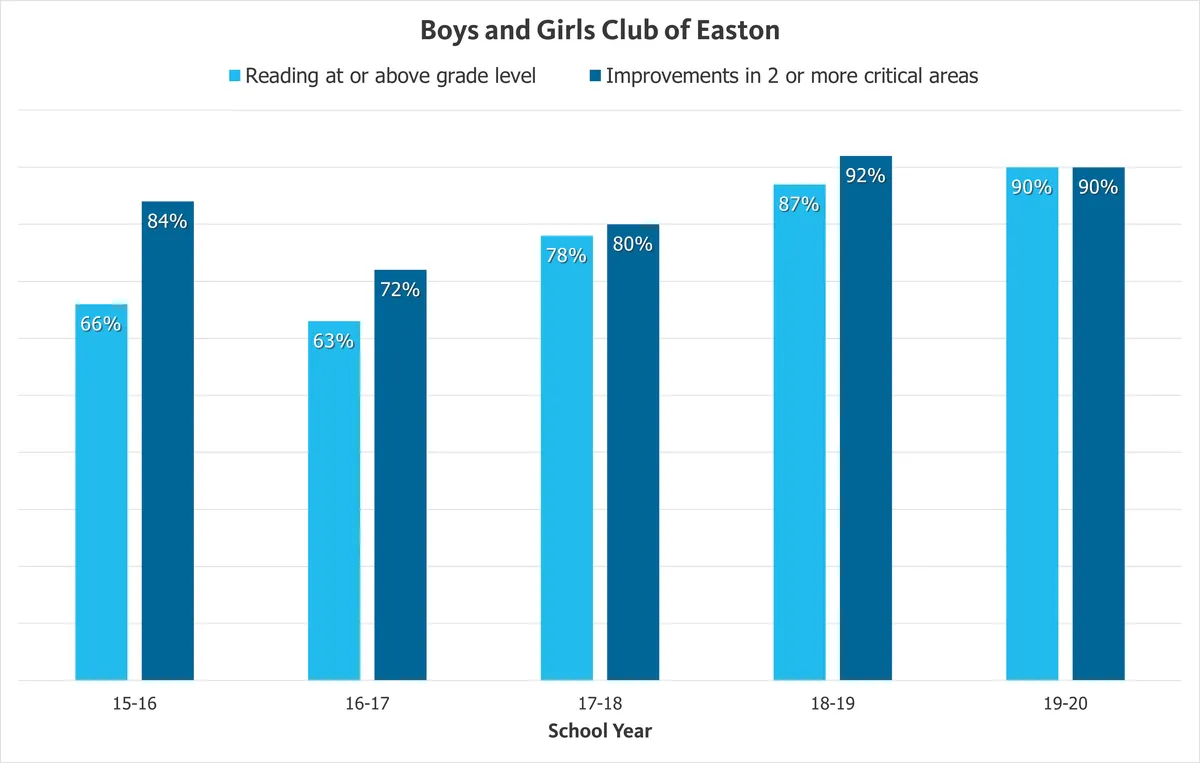
Success Stories
How a Tailored Approach to Reading Cultivates Top Readers
-

Proven Results
Exceptional Leaders Transform Their District in 5 steps
-
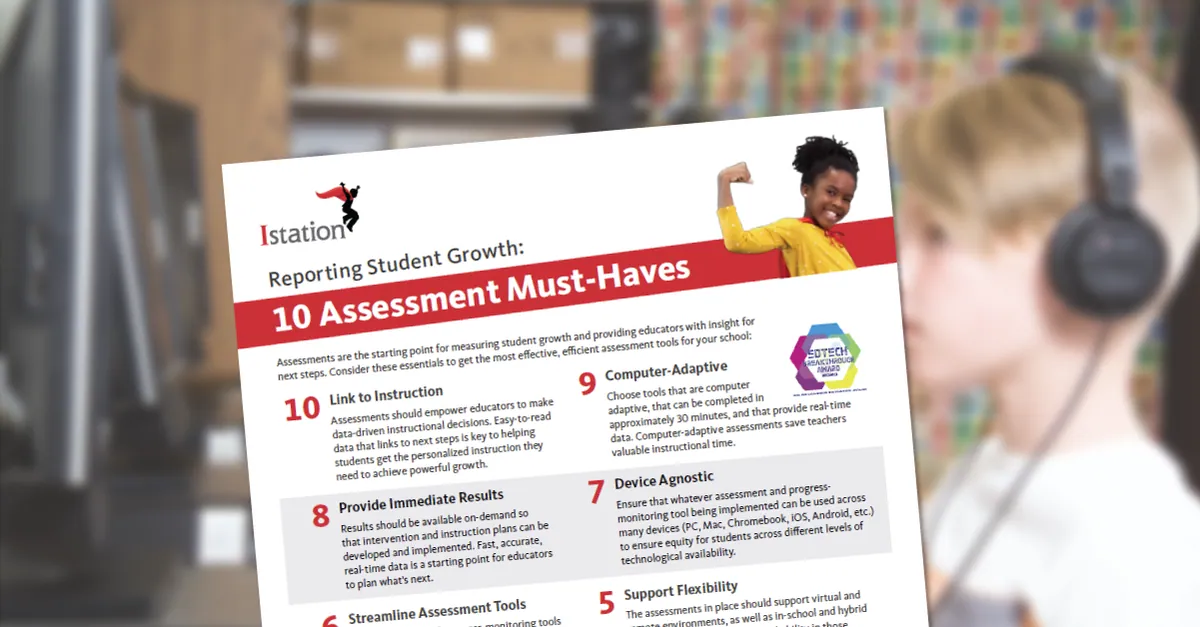
Assessments
Discover the Top 10 Must-Haves for Assessments
-

Success Stories
Educator Gives Students Courage to “Believe in Themselves”
-
Educator Tips
3 Keys to Building Powerful, Effective Reading Programs
-
Extended Learning
How One District Transitioned to Remote Learning
-
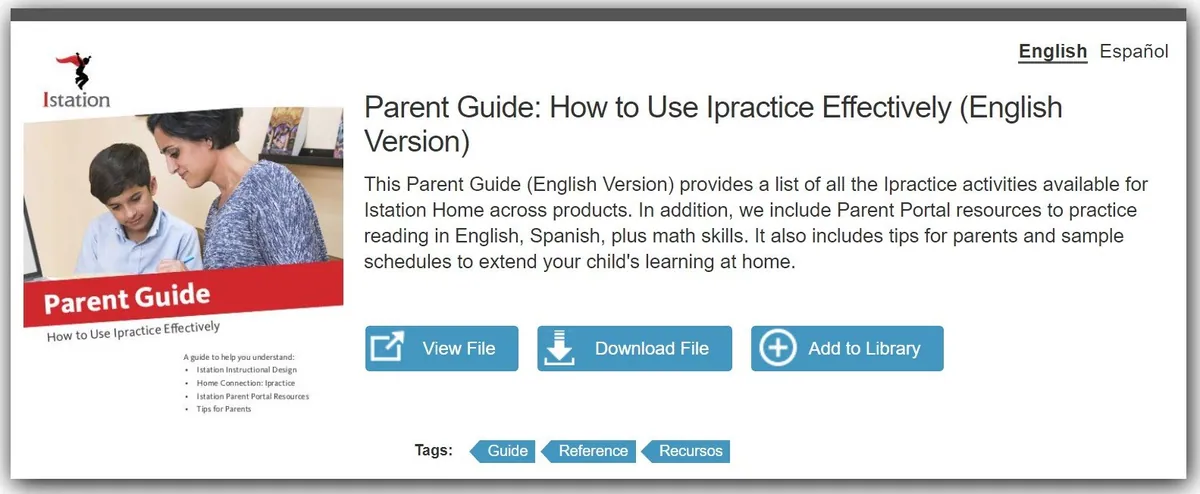
At Home
New Parent Guide Available in Teacher Resources
-
At Home
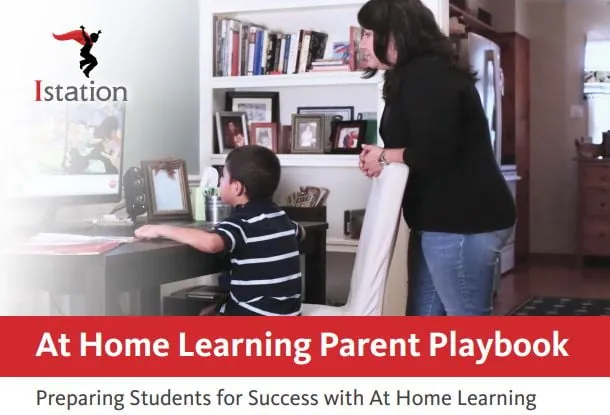
Get At-Home Learning Tips To Empower Parents and Keep Students On Track
-

Assessments
Measure Oral Reading Skills Using Fast and Flexible Advanced Speech Recognition Technology
-

At Home
The Educator’s Thermometer
-
Educator Tips
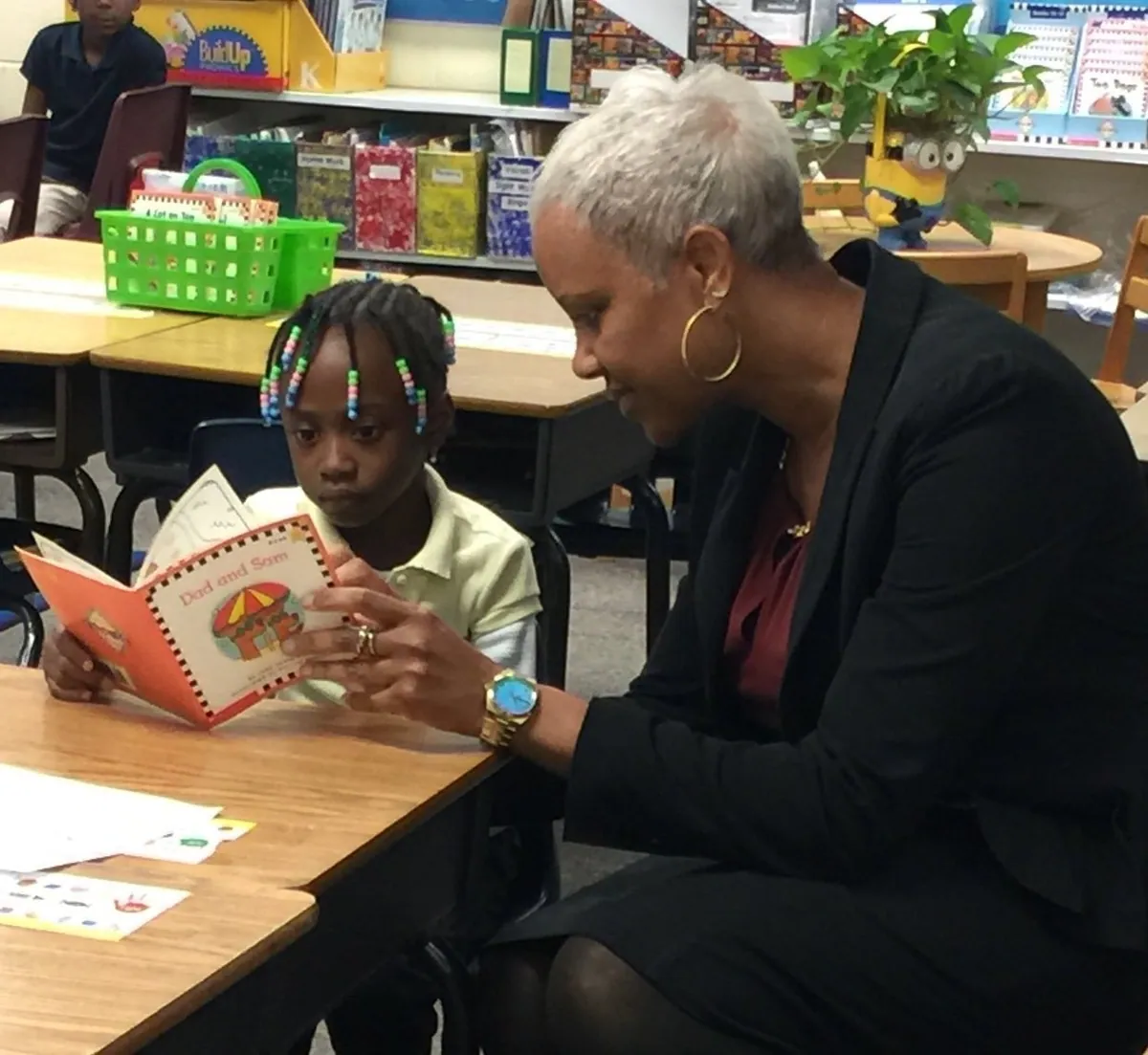
Recoup Skill Loss with Powerful Intervention Strategies
-

Parent Tips
Red Cape Classroom: Make Blended Learning a Part of Your Child’s Day
-
Parent Tips
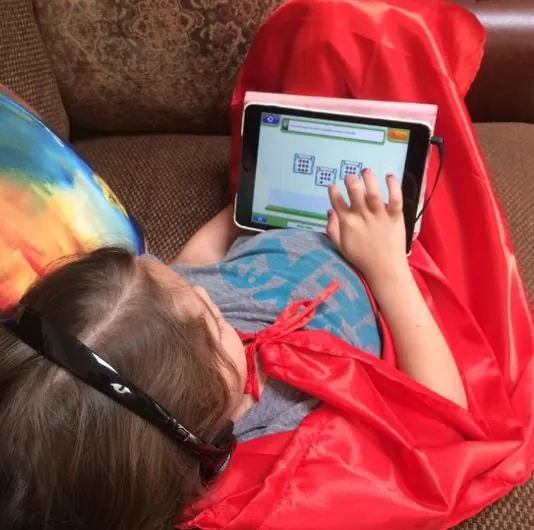
Red Cape Classroom: Keep Your Child Focused Not Frustrated
-
Close the Gap
Students Gain 2 Months' Reading Ability Over the Summer
-
At Home
At-Home Progress Monitoring During School Closures
-

Red Cape Classroom: How to Set Up a Successful Home Classroom
-

Red Cape Classroom: Tips for Finding Balance at Home
-
Red Cape Classroom: Why Kids Need Routine
-
Intervention
Intervention in Action
-
Data
One School Engaged with Data and Saw Huge Leaps in Reading
-
Success Stories
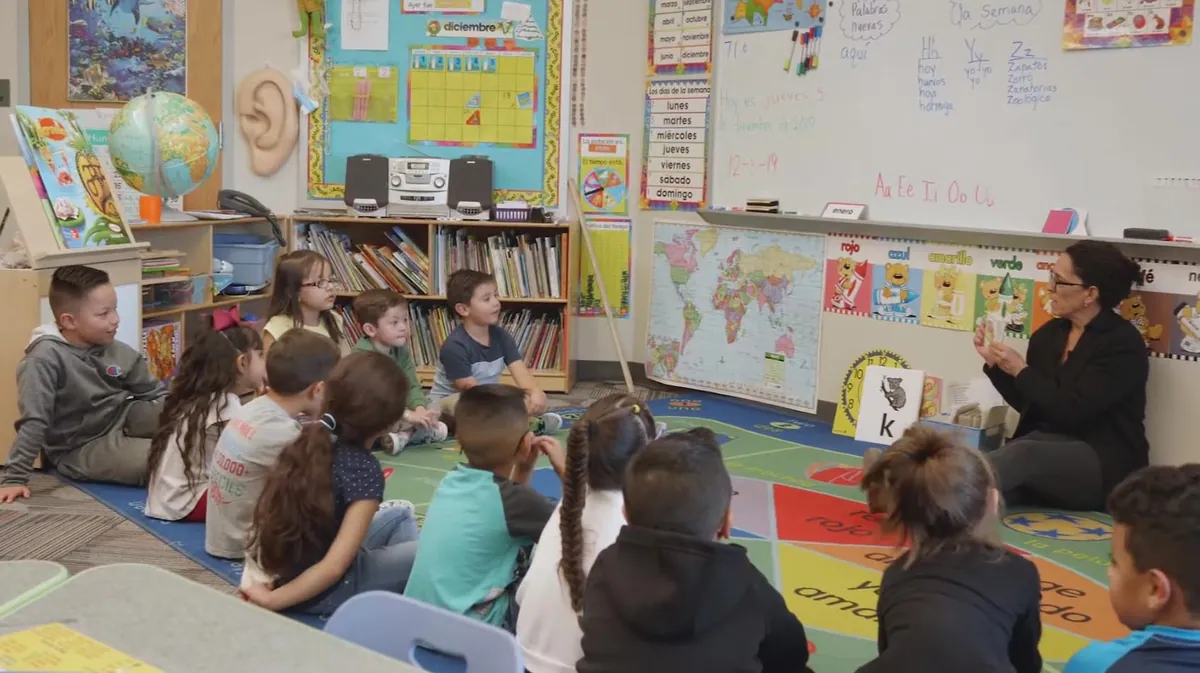
Program Resources Provide Schools with Targeted Instruction
-
Istation Reading
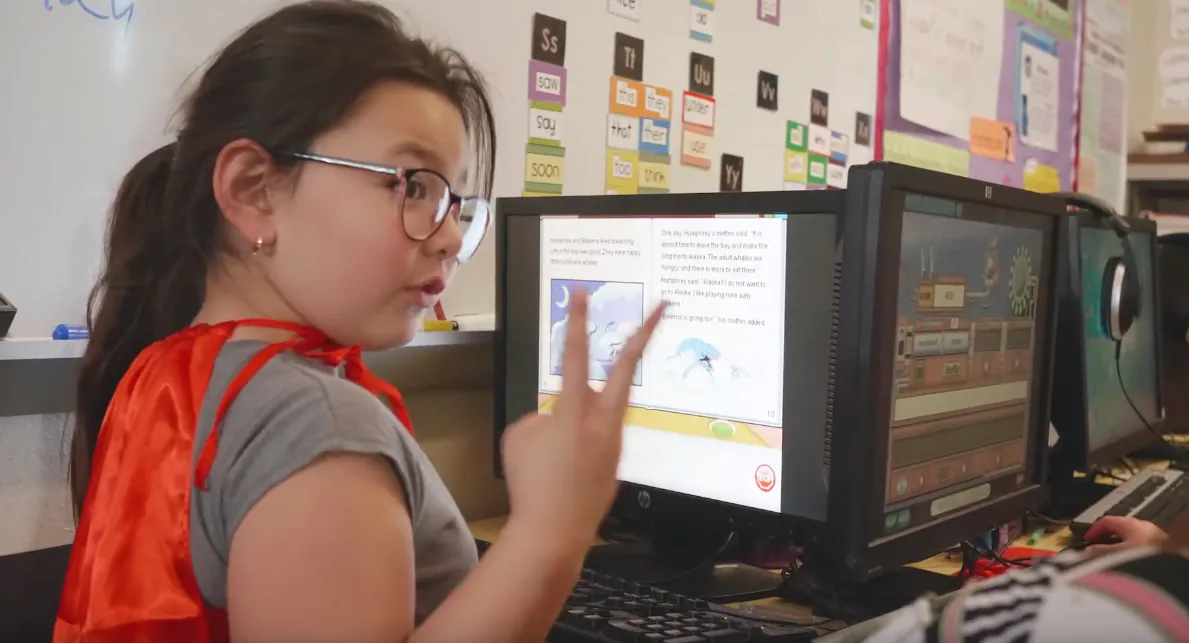
Implementing a New Reading Program? Start with Small Wins.
-

How to Improve Digital Equity for All Students
-
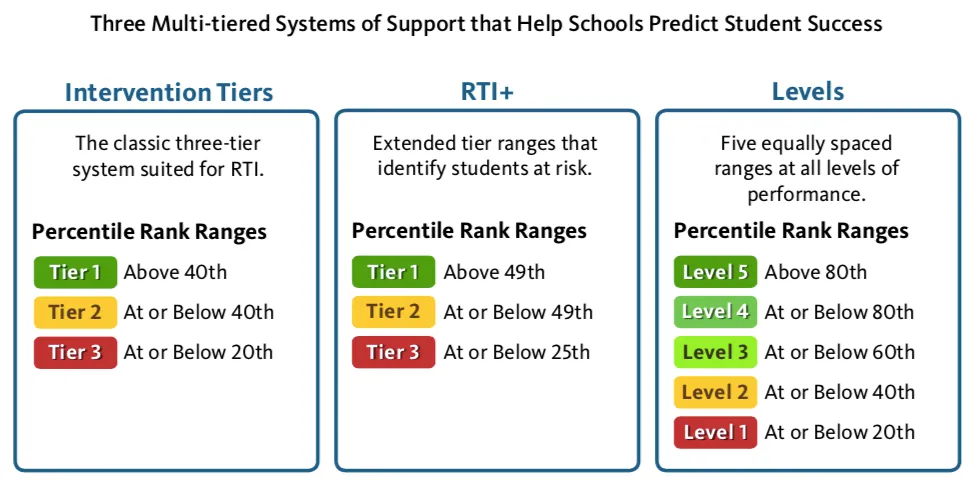
Actionable, Insightful Data and Performance Scales with Three Multitiered Systems of Support
-
Assessments
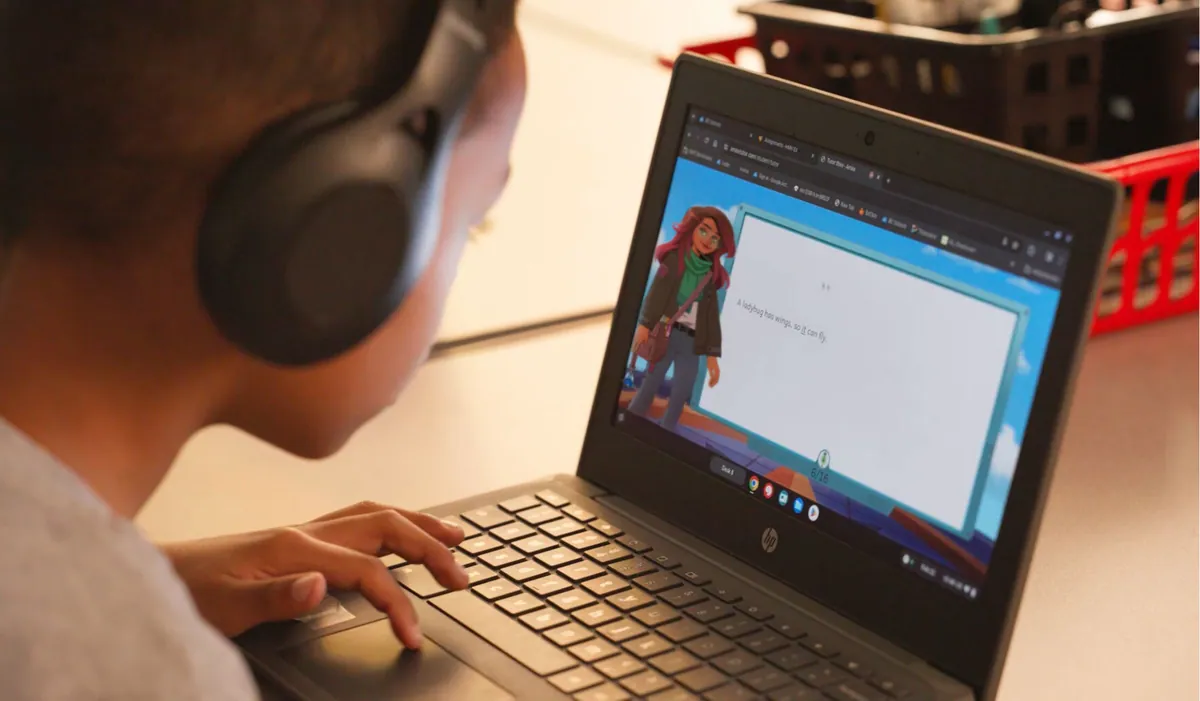
Computer-Based Learning in the Early Childhood Classroom
-
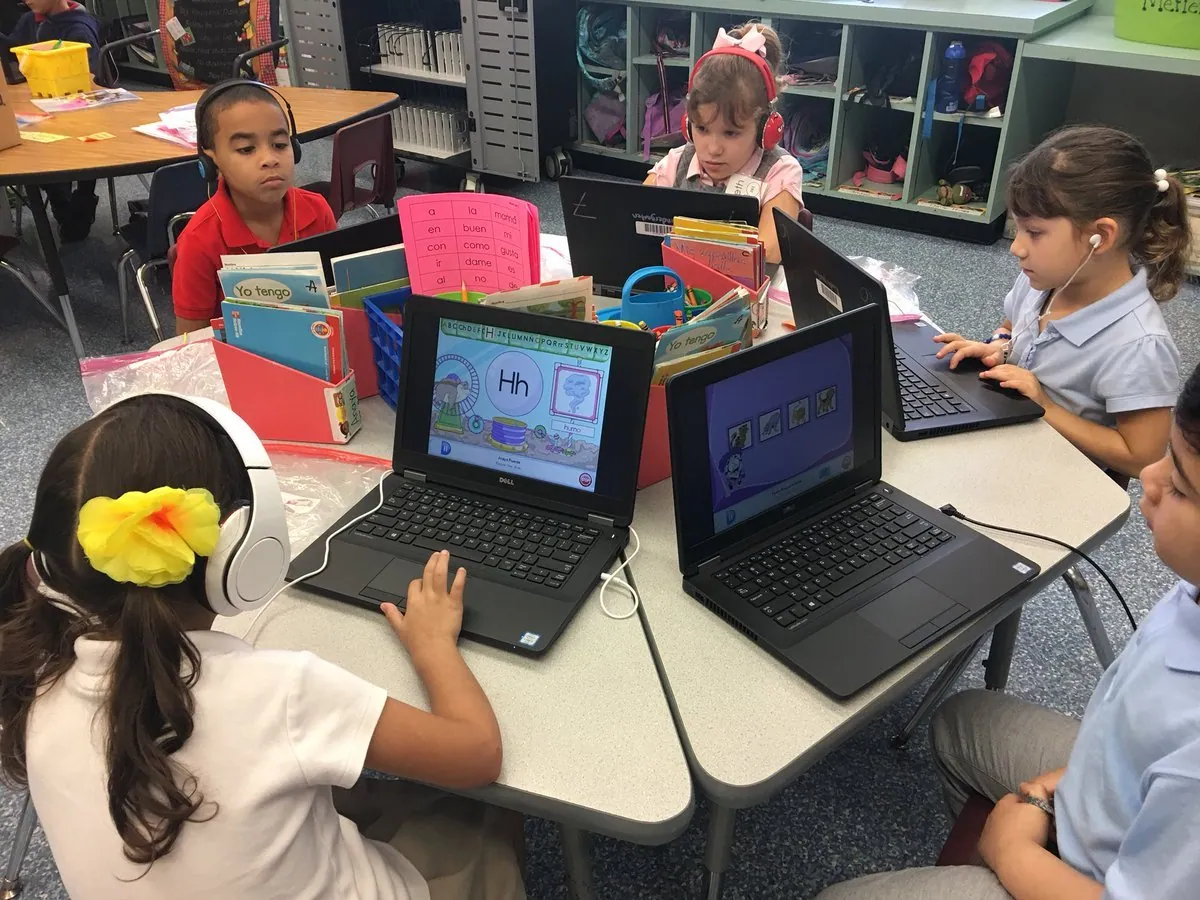
Adaptive Instruction
Six Easy Ways to Increase Usage
-
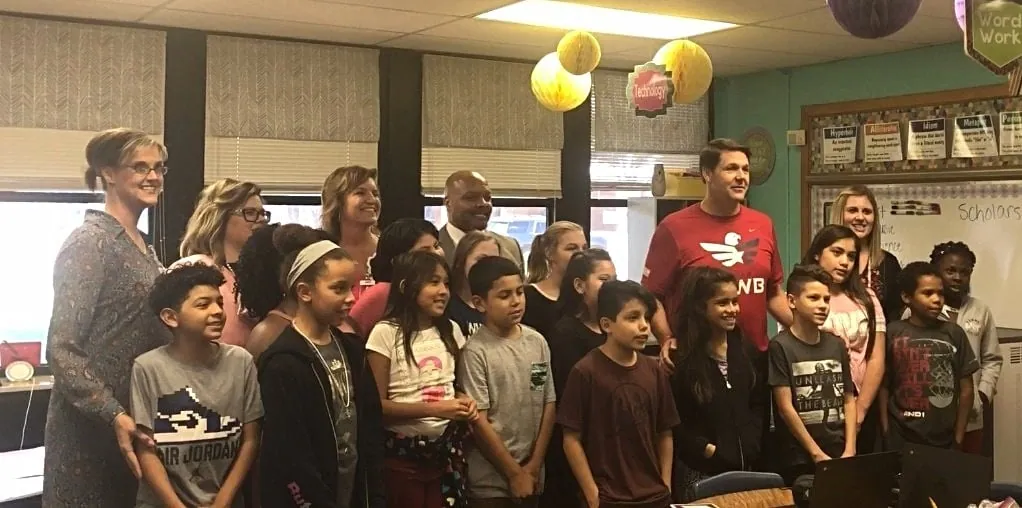
Intervention
How Intervention Helped a Failing School Get an A
-
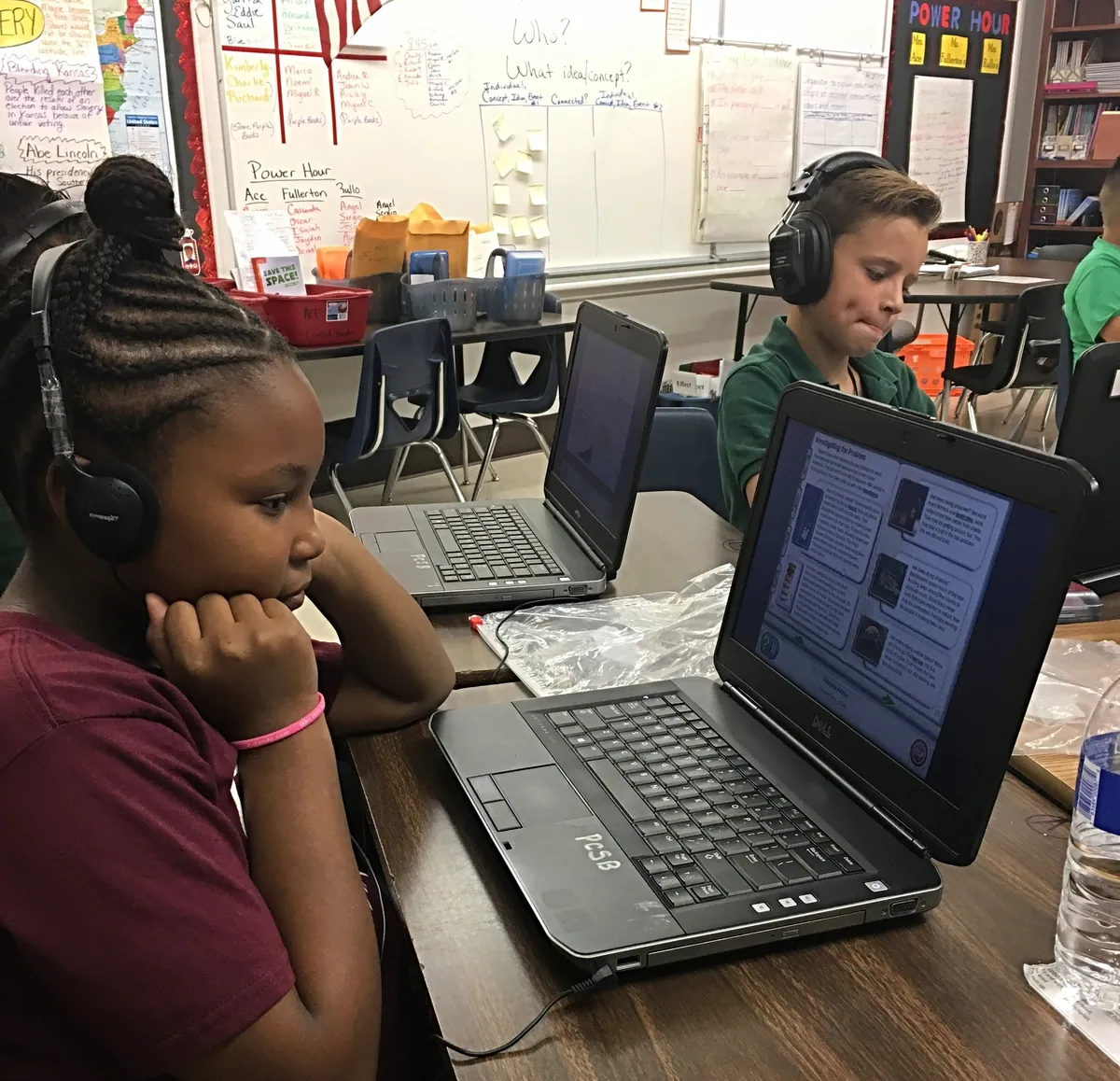
Set a Goal and Go After It!
-

Dual Language
Learning Languages in a Digital World: Adaptive Technology and Bilingualism
Nothing filed under that topic yet.